Step 2: Call Law Enforcement (Florida Statute 316.065)
Under Florida Statute section 316.065, you are legally required to immediately report any traffic accident to local police, the county sheriff, or the Florida Highway Patrol if the crash involves any personal injury, death, or apparent property damage of at least 500 dollars. Given modern vehicle repair costs, virtually every collision meets this financial threshold.
Private Property and Parking Lot Accidents
Many drivers mistakenly believe that minor fender benders in Publix parking lots, shopping centers, or private driveways follow different rules. Under Florida law, Statute 316.065 applies equally to private property. You must call the police if injuries or significant damage exist.
Minor Accidents and Self-Reporting
If law enforcement is not dispatched (for example, in a minor parking lot scrape with no injuries), you must self-report the crash to the Florida Department of Highway Safety and Motor Vehicles (FLHSMV) within 10 days. This can be completed online through the Florida Crash Portal.
Florida Legal Mandates and Deadlines
| Florida Legal Mandate | Statutory Deadline | Primary Recovery Resource |
| Immediate Accident Reporting | F.S. Section 316.065: At the scene if injury, death, or $500 or more in damage | Law Enforcement Crash Report |
| Minor Accident Self-Reporting | F.S. Section 316.065: Within 10 days if police were not dispatched | FLHSMV Online Portal |
| Medical Treatment Activation | F.S. Section 627.736: Within 14 days of the collision | Personal Injury Protection (PIP) |
| Lawsuit Filing Limit | F.S. Section 95.11: Within 2 years for general negligence claims | Civil Trial or Settlement |
Step 3: Exchange Factual Information with Involved Parties
Florida law requires drivers to exchange specific details at the scene. Approach the other driver calmly and exchange:
- Names and contact details for all drivers and passengers.
- Driver’s license numbers and issuing states.
- Insurance company names and policy numbers.
- Vehicle makes, models, and license plate numbers.
Avoid the “Sympathy Trap”
While it is important to remain polite, do not apologize or discuss the details of the crash with the other driver. Even a casual “I’m sorry” or “I didn’t see you” out of politeness can be documented by the other driver or bystanders and legally twisted into an admission of fault, which can severely damage your personal injury claim. Keep your interactions strictly factual and professional.
Step 4: Gather Volatile Physical Evidence at the Scene
Critical evidence begins to deteriorate and disappear the moment the vehicles are cleared. If you are physically able to do so safely, use your smartphone to document the scene:
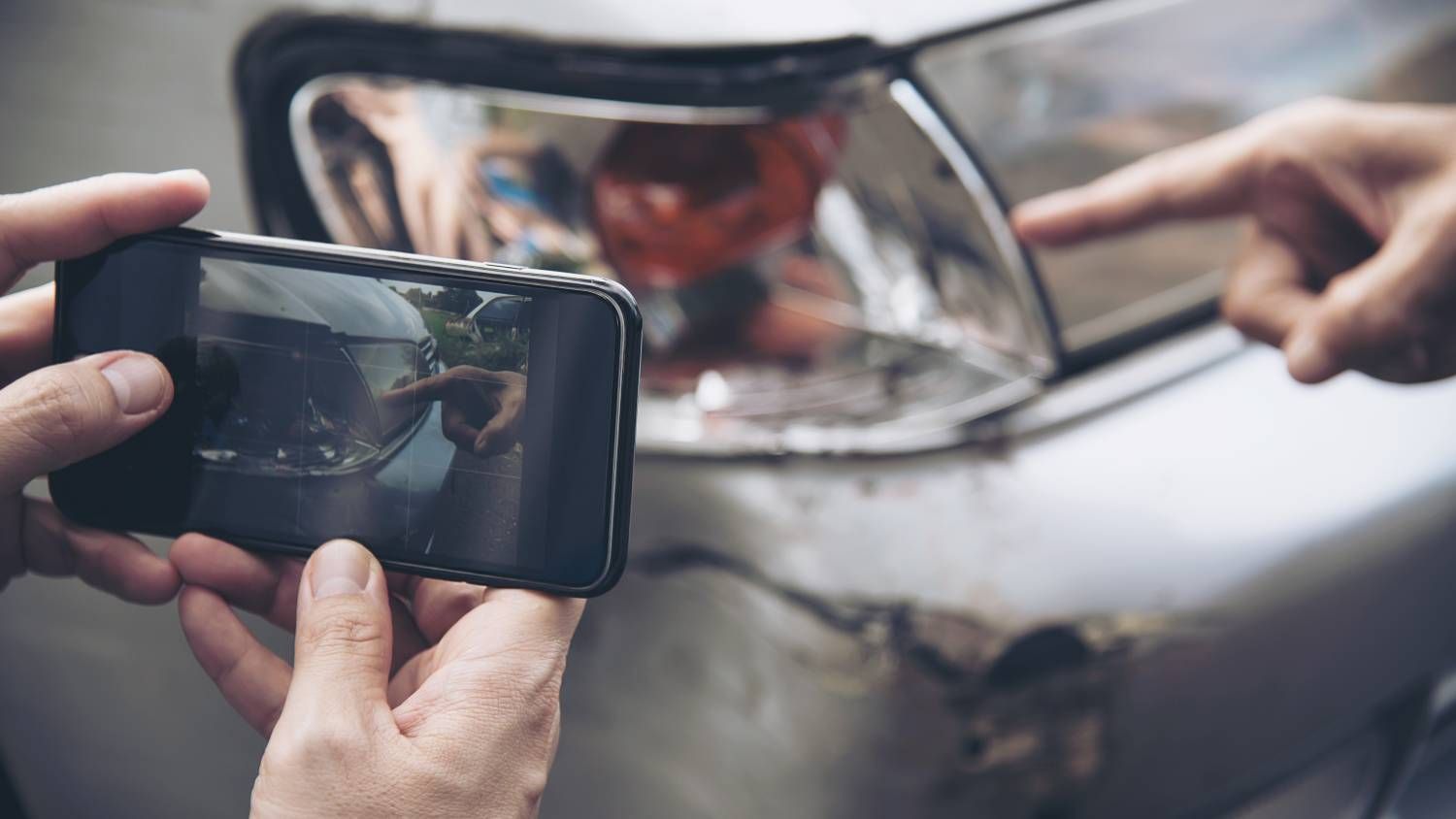
- Take Photos and Videos: Capture the final resting positions of the vehicles, visible property damage, road debris, skid marks, and any traffic signals or signs.
- Identify Witnesses: Speak to bystanders who saw the impact and record their names and contact details. Neutral third-party testimony is invaluable if the other driver attempts to change their story during the insurance claims process.
- Preserve Personal Property: Keep physical evidence such as damaged electronics, personal items, or torn clothing exactly as they are.
Step 5: Seek Medical Attention and the Strict 14-Day PIP Rule
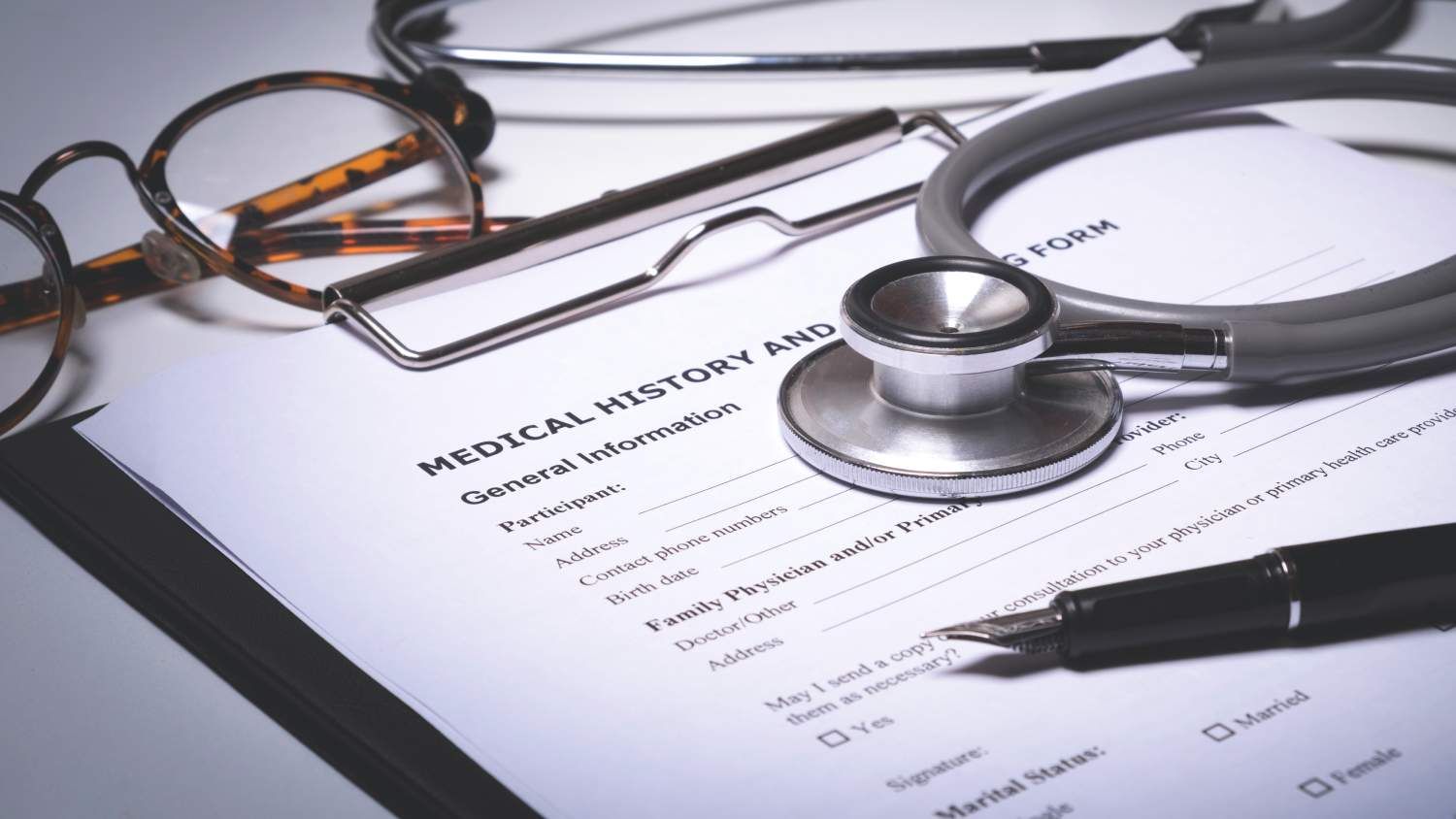
Under Florida Statute section 627.736(1)(a), you must receive initial medical services and care from a qualified provider within 14 days of a car accident to qualify for Personal Injury Protection (PIP) benefits. PIP is Florida’s no-fault system, which pays 80% of reasonable medical expenses and 60% of lost wages, up to 10,000 dollars, regardless of who caused the crash.
The Danger of Delayed Symptoms
Soft tissue injuries, whiplash, muscle strains, herniated discs, and concussions often take 24 to 72 hours to manifest due to the rush of adrenaline masking the pain. Waiting to see if the stiffness “just goes away” is a 10,000 dollars mistake. If you miss the 14-day treatment window, your insurer can legally deny your medical benefits entirely, leaving you personally responsible for all treatment bills.
The Emergency Medical Condition (EMC) Gatekeeper
Florida auto litigation underwent a major shift following the 2023 tort reforms (House Bill 837). Navigating this new landscape requires the strategic guidance of an experienced attorney.
Step 6: Strategic Navigation of Florida’s Shifting Comparative Fault Laws
Florida auto litigation underwent a major shift following the 2023 tort reforms (House Bill 837). Navigating this new landscape requires the strategic guidance of an experienced attorney.
The Serious Injury Threshold
Because Florida is a no-fault state, you are generally restricted from suing the at-fault driver for non-economic damages, such as pain and suffering, unless your injuries meet the statutory “serious injury threshold”. Under Statute 627.737, this requires proving you suffered significant and permanent loss of a bodily function, a permanent injury, significant scarring or disfigurement, or death.
The Restrictive 51 Percent Bar Rule
If your injuries qualify to bypass the no-fault system, your claim is subject to a modified comparative negligence system under Florida Statute section 768.81.
- The 50% or Less Rule: If you are found 50% or less responsible for the crash, you can still recover compensation, though your award is reduced proportionally by your percentage of fault.
- The 51% Fault Cliff: If a jury or insurance adjuster determines that you are 51% or more at fault (for example, if you were speeding or distracted at the time of a rear-end collision), you are completely barred from recovering any damages.
Because of this cliff-effect, insurance adjusters have a massive financial incentive to shift blame onto you during negotiations. They will often call you shortly after a crash, acting friendly, and request a “recorded statement”. This is a strategic trap. Casually stating “I’m doing okay” or “I didn’t see them coming” can be used to assign majority fault to you and wipe out your entire claim.
Step 7: Protecting the Resale Value of Your Vehicle (Diminished Value and Loss of Use)
Even when a vehicle is restored to its pre-loss physical condition, its market value is significantly reduced because it now carries an accident history on public databases. Under Florida law, you can file a claim to recover these hidden financial losses.
- Inherent Diminished Value: This is the measurable drop in resale or trade-in value of your car post-repairs simply because it has a damage history.
- Loss of Use (LOU): This compensates you for the inconvenience of being without your vehicle during the repair period. In Florida, the landmark case of Meakin v. Dreier (reaffirmed federally in AT & T Corp. v. Lanzo Construction Co.) established that you can recover LOU damages measured by the reasonable rental value of a comparable vehicle, even if you did not actually rent a replacement.
Florida law provides a strict statute of limitations of two years to file a diminished value, property damage, or general negligence claim, meaning you must act quickly before evidence depreciates or deadlines expire.
Why Choose My 305 Attorneys?
The post-accident legal process is confusing, high-pressure, and governed by strict legislative timelines. When you partner with My 305 Attorneys, we stand as your shield against powerful insurance corporations and aggressive defense counsel.
Our legal team brings over 15 years of combined experience fighting for our community. We coordinate with medical providers, accident reconstructionists, and professional appraisers to build a robust evidentiary foundation. We operate strictly on a contingency fee basis, which means there are no upfront costs, and you pay no legal fees unless we successfully win your case or secure a fair settlement. Our main office is located in Doral, Florida, and we serve clients statewide through our office network.